After the Mince Pies: A Six-Week PTA Reset for January
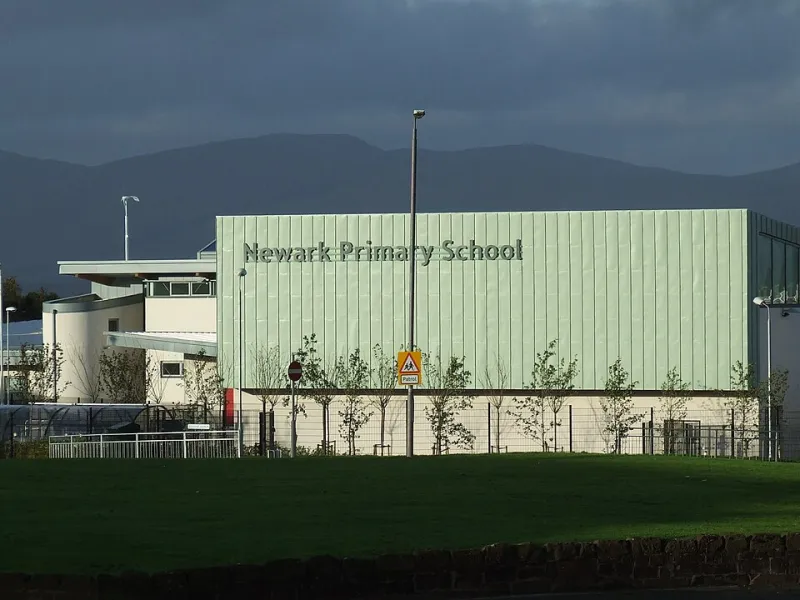
Photo: Thomas Nugent, CC BY-SA 3.0, via Wikimedia Commons
In November, January feels a long way off. The Christmas fair is still in planning, the mince pies are not yet reduced, and the PTA WhatsApp group is busy with stall rotas and lost tinsel. Then January arrives. The hall goes quiet. The group chat becomes a museum of unanswered messages. And the same four volunteers are left staring at a spreadsheet wondering why nobody wants to help.
The instinct is to launch something big. A quiz night. A bingo extravaganza. A spring fete with a committee-sized planning document. Please don't. January is not the moment for another heavy event. It is the moment to rebuild the habit of community. Energy matters more than output. A PTA that people feel comfortable around will raise more over the year than one that burns through goodwill in February.
Here is a six-week reset you can plan now and run when the new term starts.
Week 1: Listen before you launch
Do not open with a grand plan. Open with one question: what would make the PTA feel useful to you this term? Put it in a short Google Form, a WhatsApp poll, or a clipboard at the school gate. Keep it to one question and promise it will take two minutes. No fundraising ask. No call for committee members. Just listening.
Ask two volunteers to collect the answers and note the themes. You will probably hear the same things: people are busy, they do not know what is happening, they would help with small tasks, they cannot commit to meetings. That is not apathy. It is information. Use it.
Week 2: Throw a no-pressure social
Book the school hall for a coffee morning after drop-off, or a Tuesday afternoon if that suits your families better. Free tea, coffee and a biscuit. No raffle. No speaker. No sign-up sheet by the door. The only goal is fifteen conversations and a few new faces.
Keep the budget tiny — £20 to £30 is plenty. If a local café will donate a flask of coffee, lovely, but do not turn it into a sponsorship negotiation. Put a small sign on the gate: 'PTA coffee, 8.45–9.30, all welcome.' If children are present, follow the school's visitor and safeguarding policy. This is not a recruitment event with a clipboard. It is a room where people can say hello without being asked to run the summer fair.
Week 3: Make micro-volunteering visible
Most parents do not want to be 'on the committee'. They will, however, make twenty name tags, run one stall slot, design a poster, count cash in pairs, set up chairs or send one email. Your job is to make those tiny tasks easy to claim.
Create a simple menu of micro-tasks with time estimates: '20 minutes — cut out tombola tickets'; '45 minutes — help at the cake stall'; '10 minutes — share this post in your class group'. Put it on a form or a clipboard at the gate. When someone ticks a box, give them the task quickly. Do not save their name for a future committee nomination. Micro-volunteering is not a consolation prize. It is how a PTA stays alive.
Week 4: Run a cash-first fundraiser that does not need a spreadsheet
Pick something almost embarrassingly simple: an after-school cake and cuppa sale, a Friday hot chocolate stall, or a bring-and-buy book table. Cash-first means you are not relying on every family having a card reader or a phone battery. Set low prices — 50p for a cake, £1 for a hot chocolate — and have a QR code as a backup for people who prefer cashless.
A cake sale can raise £150–£300 with about three volunteer hours. A hot chocolate morning in January can do similar. Keep a £20 float, use two adults to count, record the total and bank it promptly. Do not over-engineer it. The point is to remind people that the PTA can do something small and pleasant without a six-week buildup.
Week 5: Reset your comms
Most PTA communication fails because it tries to do too much. This week, simplify. Choose one email a month, one WhatsApp group for short updates, and one regular school-gate presence. That is it.
Email: use a clear subject line, one ask, one link. Send it from a named person, not from 'PTA'. WhatsApp: set a group description that says what the group is for and how often you will post. Keep messages short and avoid flooding the group with every committee thought. School gate: print one laminated A4 sign with the next date and a QR code. Stand there and talk to people. Three channels, same simple message. Not five channels and a newsletter nobody opens.
Week 6: Close the loop
Tell people what happened. 'You gave £212 at the cake sale. We spent £40 on ingredients and the rest goes towards the library books.' Thank people by name if they are happy to be named. Share the next micro-task. Then write a short note for yourselves: what worked, what felt heavy, what should be dropped.
A PTA does not need a big event to prove it is useful. It needs a pulse. By the end of six weeks, you want a handful of new faces, a few small tasks claimed, one modest fundraiser banked and a comms rhythm that does not depend on the same four people remembering everything. That is not a slow start. That is a comeback.