Cake, Cards and Clarity: An Allergy-Smart PTA Stall That Still Turns a Profit
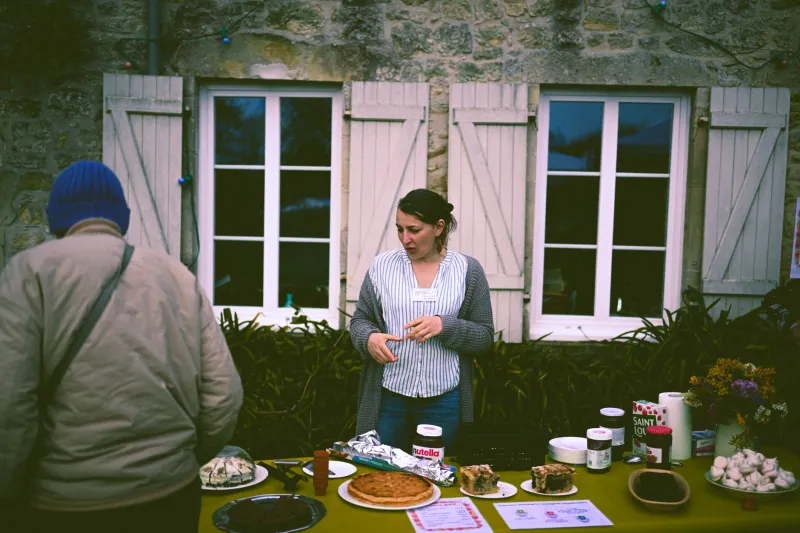
The school cake stall is one of the great British fundraisers: low overheads, high goodwill, and the pleasing sight of a trestle table groaning under cling film. Then someone asks about allergies, and the whole thing suddenly feels like a food safety exam. Take a breath. You do not need a laboratory or a laminated policy the length of a novel. You need a system that fits on a clipboard, a few pre-printed labels and one volunteer who is happy to be the person who knows where the donation forms are.
Start with the fourteen, not with the fear
UK food allergen rules centre on fourteen groups: celery, cereals containing gluten, crustaceans, eggs, fish, lupin, milk, molluscs, mustard, peanuts, sesame, soybeans, sulphur dioxide and sulphites, and tree nuts. Most homemade cakes contain at least gluten, milk and eggs, and that is perfectly fine. The aim is not to remove every allergen from the table. It is to tell people clearly what is in each cake so they can decide for themselves.
That shift in wording matters. You are not promising a safe cake for every child; you are giving every family the information to make a confident choice. That is a far more achievable goal, and it keeps volunteers out of the business of guessing.
The donation form does the heavy lifting
When you send out the call for cakes, attach a one-page donation form. Ask for the baker's name, what the bake is, the full ingredient list including fillings and toppings, which of the fourteen allergens are present, and a clear note if nuts are used in the kitchen. Add a tick box for vegan, gluten-free or dairy-free if the baker is confident about it. Ask them to bring the form with the cake, not to email it three days later.
On the day, a simple rule works: no form, no place on the stall. Keep it kind by having a small backup stash of sealed, shop-bought cakes. Nobody is turned away empty-handed, and the stall keeps its standards without a confrontation by the fairy cakes.
Labels volunteers can actually fill in
Pre-print labels at home before the event. Three lines are enough: contains, may contain, and made in a kitchen that also handles. Leave space for a marker pen. A volunteer can copy the donation form onto a label in under a minute, and a parent can read it at a glance.
Avoid vague phrases such as allergy-friendly or safe for everyone. For homemade cakes, be honest: made in a kitchen where nuts are used is more useful than a hopeful blank space. For sealed shop-bought items, keep the original packaging visible and add a sticky note pointing to the allergen box. If a donut arrives without a form and without packaging, it can still be sold — but only if someone can name the ingredients. If nobody can, it does not go on the table.
Tongs, knives and the cross-contamination chat
Cross-contamination is the bit that makes volunteers nervous, but the basics are refreshingly low-tech. Give each tray its own tongs and do not swap them. Keep cakes covered until sale. Use separate knives for cutting, and do not cut a gluten-containing cake before a gluten-free one with the same blade. If you have colour-coded chopping boards at home, bring them. A quick handwash between handling different trays costs nothing.
The aim is sensible separation, not a sterile field. Crumbs travel, so keep the free-from tray at the opposite end of the table with its own serving utensils. Put the person with the steadiest hands in charge of slicing. And brief everyone that if they are unsure about an ingredient, they should say so and fetch the form rather than improvise an answer.
The two-tray trick that includes everyone
Divide the stall into everyday cakes and a clearly labelled free-from tray. The second tray does not need to be enormous. A batch of sealed gluten-free brownies, some vegan flapjacks and a few dairy-free cupcakes will cover most needs, and they sell well because parents trust a clear label. Keep the free-from tray at the front, with a small sign saying allergen information available for every item. It is not a legal disclaimer; it is a welcome mat.
The children who usually watch from the sidelines are often the ones who spot the labelled tray first. That is the point. Inclusion is not a niche extra — it is a better stall.
The profit bit: clarity sells cake
A labelled cake moves faster than an anonymous one. Parents buy for themselves, for siblings and for friends, and a clear ingredient card removes the hesitation that turns a sale into a shrug. Price simply: fifty pence a cake, a pound for a larger slice, two pounds for a box of four to take home. Add a tea and coffee urn and you have a second income stream for almost no extra effort.
Put a small sign at the entrance that says allergen information available on every item. It signals care, and care encourages people to spend. Keep a folder of donation forms behind the table so anyone can check the details. If you want to be extra tidy, photograph each form and keep the images on a phone for quick reference.
The five-minute briefing before doors open
Gather your volunteers ten minutes early. Point out the label table, the free-from tray, the spare tongs and the folder of forms. Name one person as the allergen question go-to. Remind everyone that saying let me check is always better than guessing. Then let them eat a broken cake and get on with it.
A cake stall can raise a few hundred pounds with very little outlay. An allergen system costs some printing, a packet of labels and ten minutes of briefing. That is a very good return on a very small faff — and it means every child gets to queue up like everyone else.