A Box by the Office Door: The Christmas Card Service That Funds the Minibus Without the Faff
There's a particular kind of tired that sets in around the second week of December. The fair is done, the raffle tickets are counted, and someone is still emailing about the tombola float. The last thing anyone wants is another Big Idea. Which is precisely why the Christmas card service deserves a second look. It is small, it is cheap, and it mostly runs itself — as long as you sort out the sorting.
The premise is simple. Children write cards to friends in other classes. Parents buy a sheet of PTA "postage" stickers. The cards go into a box by the school office, get sorted by class, and are delivered by a rota of volunteers. Nobody needs anyone's home address, nobody needs a stamp from the Post Office, and the PTA keeps the difference between a sticker and a bit of goodwill.
Why it works when everything else is collapsing
Most December fundraisers ask parents for money at the exact moment they are buying presents, paying for nativity costumes and wondering how much the turkey has gone up. A card service asks for 20p. Repeatedly, admittedly, but 20p at a time.
It also has a neat emotional hook. Children genuinely enjoy the ritual of posting something. Parents genuinely enjoy not having to WhatsApp three other mums to ask which class Sophie is in. And teachers quite like not having thirty envelopes shoved under their nose during register.
The costs are almost insultingly low. A box of coloured labels, a sturdy cardboard postbox, a couple of plastic crates and a laminated poster will set you back somewhere under £25. There's no stock to store, no licence to apply for and no risk assessment beyond the usual "don't let anyone trip over the box" line.
The pricing bit: stickers, not actual stamps
You can run this with real second-class stamps, but we'd gently suggest you don't. Mixing Royal Mail and a cardboard box invites confusion about what happens to a card that doesn't get delivered, and it eats your margin.
Instead, print or write your own stamps. A sheet of ten coloured labels sold for £1.50 works nicely — that's 15p a card, which feels trivially small to a parent but adds up quickly across a school of 300. Some committees charge 20p a card and sell them singly at the gate. Others do a flat £2 for a sheet of fifteen and let the children ration themselves. Do whatever your treasurer can reconcile without a spreadsheet meltdown.
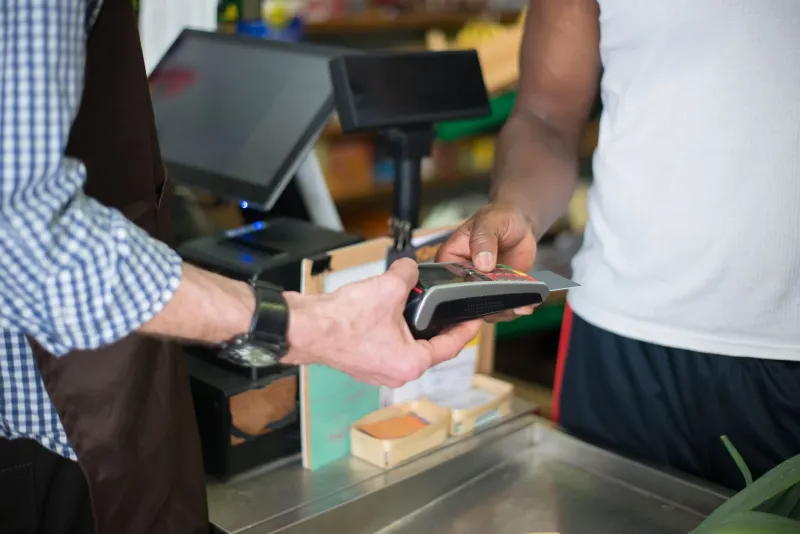
Keep a cash tin with a float, and if you already have a card reader from the fair, leave it out for parents who never carry coins. Print the price on the poster in letters big enough to read from the school gate. If people have to ask, they won't buy.
Sorting: the class-list trick that saves your sanity
This is where card services live or die. The first year, someone will suggest sorting cards into alphabetical order. Politely ignore them.
Sort by class, and only by class. Ask the office for a printed class list for each year group — they already have one, and you're not taking it home, you're using it at the sorting table. Each card must have the recipient's full name and class written on the envelope. If it doesn't, it goes into a "lost post" tray by the office, and a note goes on the school newsletter asking children to check the box for undeliverable cards.
Set up one plastic crate per class, labelled in marker pen. Two volunteers sort for fifteen minutes after drop-off. Cards for staff go into a separate crate and get delivered to the staffroom on the last day — teachers are people too, and they notice.
The rota that survives week two
The mistake most committees make is assuming enthusiasm lasts. It doesn't. By 5 December, the group chat has gone quiet and the same three people are doing everything.
So build the rota small and specific. Two people, twenty minutes, one day each. Sign up via a shared form or a pinned message, and name the slots by day rather than by person. "Tuesday 2nd, 8:50–9:10" is much easier to say yes to than "help with cards".
Recruit class reps to cover their own year group's sorting if they can. And say thank you publicly, because the person who gives up three mornings in a row deserves more than a thumbs-up emoji.
The safeguarding bits nobody wants to discuss
It's a box of cards, not a safeguarding incident waiting to happen, but a few sensible rules keep everyone comfortable.
- Cards are never opened. Ever. Not even the one that feels a bit thick.
- Two adults are present whenever cards are sorted. Children can help deliver to their own class with a teacher's agreement, but they don't sort.
- Cards are delivered only within school. No home addresses are collected, stored or passed on.
- Anything that looks unusual — an unaddressed card, a card for a child who has left, a card that's clearly been opened — goes to the office rather than into a class crate.
- The class lists stay at school. If you photograph the sorting table for the newsletter, keep names out of shot.
None of this is heavy. It's just the same commonsense you'd apply to any other activity where children's names are in a pile.
A timeline that fits around the nativity
Early November: Ask the office for permission and agree the dates. Confirm you're allowed to use the school name on posters.
Mid-November: Design and print the stamp sheets. Order labels. Write the poster. Brief the class reps.
1 December: Postbox goes out by the office door. Stamps go on sale at the gate, with a card reader if you have one.
Daily: Collect, sort, deliver by 3pm. Empty the box at the end of the day so nothing sits overnight.
Last day of term: Final delivery. Any leftover cards go to class teachers. Publish the total raised in the newsletter before the holidays, with a line about what it's for.
The bit that makes it worth doing
A card service won't fund a new minibus on its own. It might cover the Christmas panto tickets, or a set of reading books, or the biscuits for the staffroom. But it does something subtler too: it makes the PTA visible in a way that doesn't involve asking anyone to sponsor a brick.
Children see the box. Parents see the stickers. Teachers see the cards arrive. And for three weeks in December, the PTA looks less like a committee and more like a small, well-organised postal service with excellent festive cheer.
Which, honestly, is the nicest thing anyone's said about a PTA in years.