Names on the Wall: A Donor Wall That Raises Money Without Keeping Score
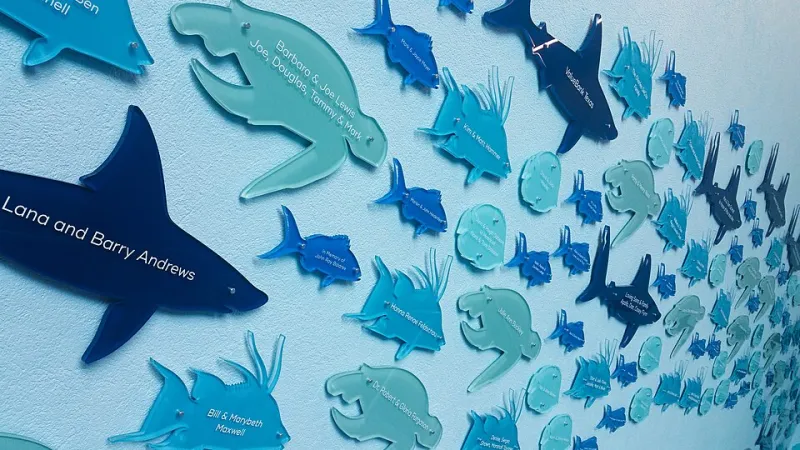
Photo: Smcafee87, CC BY-SA 4.0, via Wikimedia Commons
There's a particular kind of fundraising that PTAs tend to avoid because it sounds like a job for a professional development office with a database and a lanyard. It's the capital campaign: one named project, one target, one wall of donors.
Which is a shame, because it works remarkably well at school scale. Parents who won't buy a raffle ticket will happily pay £25 to have their child's name on a leaf above the new library shelves. Local businesses will sponsor a tile for more. And because the money is tied to something everyone can see, the question 'what's it actually for?' never comes up.
The trick is keeping it small, keeping the admin boring, and keeping the recognition generous without turning the wall into a league table.
Pick a project people can picture
'Fundraising for the school' is not a project. 'New staging for the hall' is. 'A sensory garden by the Year 1 doors' is. 'Replacing the netball posts' is, though it's harder to get sentimental about.
The best candidates are physical, photographable, and completable within two or three terms. If the target is £40,000 and the wall runs for four years, momentum dies somewhere around month seven and the wall becomes a monument to a thing that hasn't happened yet.
Aim for something in the £2,000 to £15,000 range. Big enough to be worth doing, small enough that a determined committee can see the end of it.
Three tiers is plenty
Don't build seven levels with names like Bronze Patron and Platinum Benefactor. Nobody wants to be sorted. Three tiers, each attached to a different size of space on the wall, is all you need:
- A small shape — leaf, star, brick — at £15 to £25. This is the family tier. It should be cheap enough to say yes without a conversation at the kitchen table.
- A larger shape at £50 to £75. This catches grandparents, godparents and the family who'd have sponsored two of the small ones anyway.
- A business tile at £150 to £250. Includes a logo if you like, or just a name. Offer it to the high street, the estate agent, the dentist, the two builders who've had children at the school since 2011.
Resist the urge to add a £500 tier because one person asked. There's always one person who asks. Offer them the business tile and a thank-you in the newsletter instead.
Physical, digital, or both
A physical wall is the point. It's in the corridor, children walk past it, and it makes the fundraising visible long after the last payment clears.
But a physical wall is fixed once it's up, which is why most committees now run a digital wall alongside it — a page on the PTA website or a slideshow on the screen in reception that updates as pledges come in. That handles the latecomers, the people who want to give in memory of someone, and the awkward problem of what to do when you've run out of bricks.
If you're ordering a physical wall, get quotes in the autumn for delivery in the spring. Laser-cut acrylic leaves and printed vinyl bricks are both much cheaper and much faster than engraved stone, and they can be fixed to a plain painted board that the site manager will actually let you put up. Get the caretaker's approval in writing before you order anything.
One form, one spreadsheet, one human
Admin sprawl is what kills donor walls. Somebody takes a payment in the playground, somebody else takes one on the online link, a third person has a list on a notepad, and by week six you have four versions of the truth and a very nervous treasurer.
Decide on one route in and stick to it. An online form with a payment field covers 90% of pledges. For the rest, a printed form with a clear 'hand this to the office in an envelope marked PTA WALL' works fine, as long as one named person empties that envelope every Friday.
One spreadsheet. Columns: name as it should appear, contact, tier, amount pledged, amount paid, date paid, notes. One person owns it. That's the whole system.
And write down how names should be spelled. 'The O'Sullivan Family' versus 'C. O'Sullivan' versus 'Nana Jean' is the single most common source of upset in any donor wall project, and it costs nothing to ask at the point of order.
Show the money moving
Transparency here is not a report, it's a picture. Put a simple progress bar in the newsletter each month. Update it even in the quiet months, especially in the quiet months.
Once the project starts, show it. A photo of the delivery pallet, a photo of the half-built frame, a note saying 'you've paid for the shelving, the paint is next'. Donors who can see the thing they bought stay donors next time.
If you're not going to hit the target, say so early and say what the reduced version looks like. 'We've raised £3,100 of £5,000 — we're doing the garden in two phases and the path comes first' is a perfectly respectable update. Silence is not.
A quick word with your treasurer on Gift Aid and on your constitution's rules for accepting business sponsorship, and you're covered on the compliance side.
Recognition without a leaderboard
This is the bit that decides whether the wall feels warm or slightly grim.
Don't print amounts. Don't group by tier size on the wall itself — or if you must, group by shape, not by a ranking. List names alphabetically, or in the order they pledged, or by class. Ask people whether they'd rather be anonymous; a handful always will, and honouring that is part of the deal.
Give equal visual weight to the £15 leaf and the £250 tile. They're in the same tree. The child who points at their family's leaf doesn't know or care what it cost, and the business that paid for the tile doesn't need to be told they're at the top.
Include the staff. A row of leaves for the teaching assistants and the office team, funded by the PTA itself, quietly says that this was everyone's project.
When the wall goes up
Hold a small unveiling and don't over-cater it. A Friday afternoon, a few squash bottles, the head saying thank you for ninety seconds, and a photographer from the newsletter. Invite the businesses by name — they'll come, and half of them will sponsor the next thing.
Then take a photo of the finished wall and put it in the newsletter with one sentence: here's what you built. That's the whole campaign. Small project, three tiers, one spreadsheet, and a corridor full of names that everyone can point at.